
A bright, healthy smile can make a strong first impression. Many people focus on teeth whitening, improved brushing habits, and better flossing techniques to keep their smile looking its best. These daily habits combined with regular professional care help protect oral health in the long run. At Arya Dental in Fullerton, patients receive guidance that supports both appearance and overall wellness. Understanding how whitening works, how to care for your teeth at home, and why cavities can still form even when brushing daily can help you make better decisions for your smile.
Understanding Teeth Whitening and How It Works
Teeth whitening has become one of the most popular ways to enhance a smile. Over time, teeth naturally darken due to foods, drinks, and normal aging. Stains from coffee, tea, wine, or smoking can also build up and create a dull appearance. Whitening aims to remove these stains and bring back a lighter, more natural shade.
Professional whitening and store bought options work in different ways. Store products may help lift surface stains, but their strength is limited. Professional whitening systems are designed to brighten deeper layers of enamel and achieve more noticeable improvement. The process focuses on removing stains safely and evenly so the smile still looks natural.
At Arya Dental, patients often choose whitening because it gives a clean, fresh look and helps boost confidence. The team works carefully to help patients understand how whitening fits into their broader oral care routine.
Best Times to Brush Teeth for Healthier Enamel
Many people know they should brush twice a day, but the timing matters more than most realize. Brushing in the morning helps remove bacteria that build up overnight. It also freshens breath and prepares the mouth for the day ahead.
Nighttime brushing is the most important brushing session of the day. When you brush before bed, you clear away food particles and plaque that collect throughout the day. Sleeping with a clean mouth reduces the activity of bacteria that can harm enamel.
The Proper Way to Floss Your Teeth
Flossing plays a major role in keeping your mouth healthy. Even the best brushing technique cannot reach the tight spaces between teeth. Flossing removes plaque and food particles from these areas, lowering the risk of gum problems and decay.
The correct method is simple once you learn it. Guide the floss gently between your teeth and curve it around each side in a C shape. Move it up and down to clear the area without snapping or forcing it. This process takes only a minute or two but makes a significant difference over time.
Many people skip flossing because they feel rushed or believe brushing alone is enough. In reality, flossing targets bacteria in places that a toothbrush cannot reach. Daily flossing helps maintain gum health and supports fresher breath.
Why Do I Get Cavities Even When I Brush My Teeth
It can be frustrating to brush your teeth every day yet still develop cavities. Brushing is important, but cavities can form for several reasons. Some habits and conditions make teeth more vulnerable even with good daily care.
Diet plays a major role. Sugary foods and drinks create an ideal environment for bacteria. These bacteria produce acids that wear down enamel. Frequent snacking also keeps the mouth in a more acidic state for longer periods.
Some people have enamel that is naturally softer or more prone to damage. Others may have areas of the mouth that are difficult to clean fully. Even your saliva plays a part. Saliva helps neutralize acids, and if saliva flow is reduced, enamel has less protection.
Regular dental exams help identify early changes before they turn into larger problems. Preventive care and consistent oral hygiene work together to lower the risk of cavities over time.
Choosing the Right Toothbrush for Wisdom Teeth
Wisdom teeth sit far back in the mouth, making them harder to reach with standard toothbrushes. A brush with a smaller head can make it easier to clean around wisdom teeth. Soft bristles help you clean without irritating the gums in these sensitive areas.
Some people find that electric toothbrushes help them reach back areas more effectively, especially if they have difficulty with manual brushing. The goal is to remove plaque gently and consistently without causing discomfort. Cleanliness around wisdom teeth can also help reduce inflammation and irritation in the surrounding gums.
Teeth Whitening in Fullerton at Arya Dental
Arya Dental is a trusted provider of teeth whitening for patients in Fullerton. Their team focuses on clear communication, comfortable visits, and personalized care. Patients appreciate the natural looking results and the refreshed appearance whitening can offer. Along with whitening, Arya Dental also helps patients improve their daily habits to support a strong, healthy smile year after year.
FAQs
- How long does teeth whitening last?
Results vary from person to person. With good oral hygiene and careful habits, whitening results can remain noticeable for an extended period. - Is brushing twice a day enough?
Brushing twice daily is important, but flossing and regular dental exams also play key roles in maintaining oral health - Does flossing really make a difference?
Yes. Flossing cleans the tight areas where a toothbrush cannot reach. This helps prevent plaque buildup and supports healthier gums. - Why do cavities still form even with good brushing habits?
Cavities can develop due to diet, enamel strength, saliva levels, or areas that are difficult to clean. Brushing alone does not eliminate all risks. - What toothbrush is best for sensitive gums?
A soft bristle toothbrush is generally recommended because it cleans effectively without irritating delicate gum tissue.
To schedule your whitening appointment or learn more about your options, visit the contact page and book your visit today.
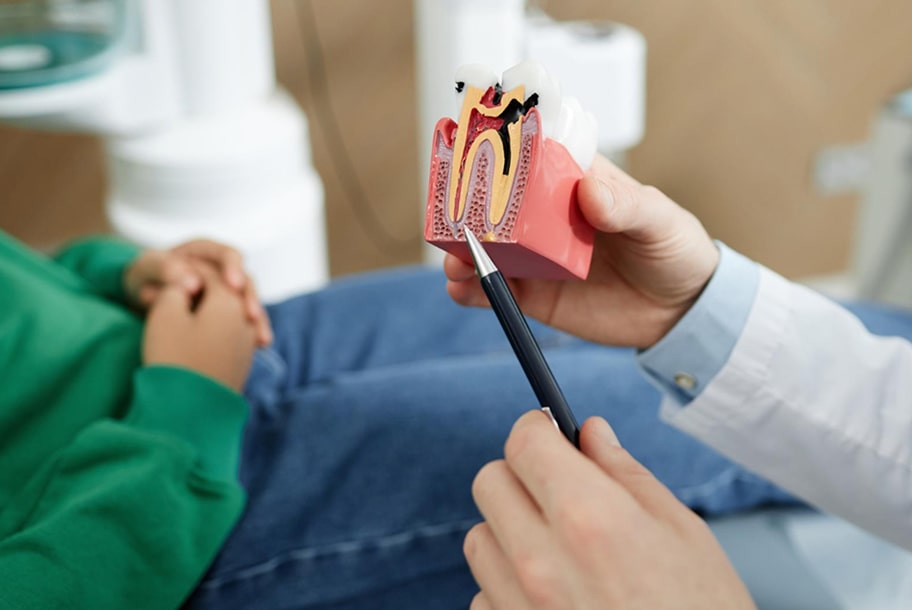
Root Canal Recovery: Tips, Care, and What to Expect After Treatment
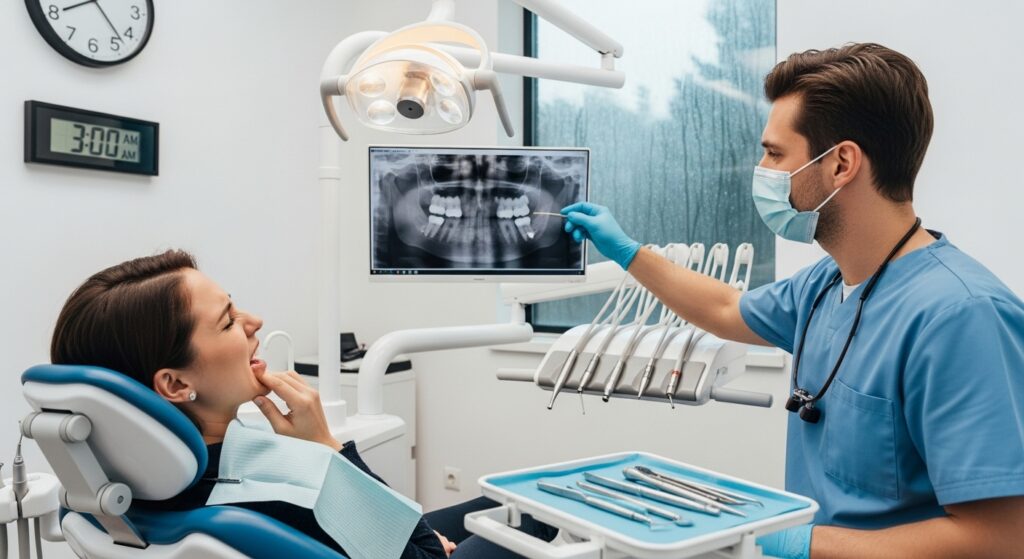
What to Do in a Dental Emergency in Fullerton

How Dental Bonding Can Repair Your Damaged Teeth
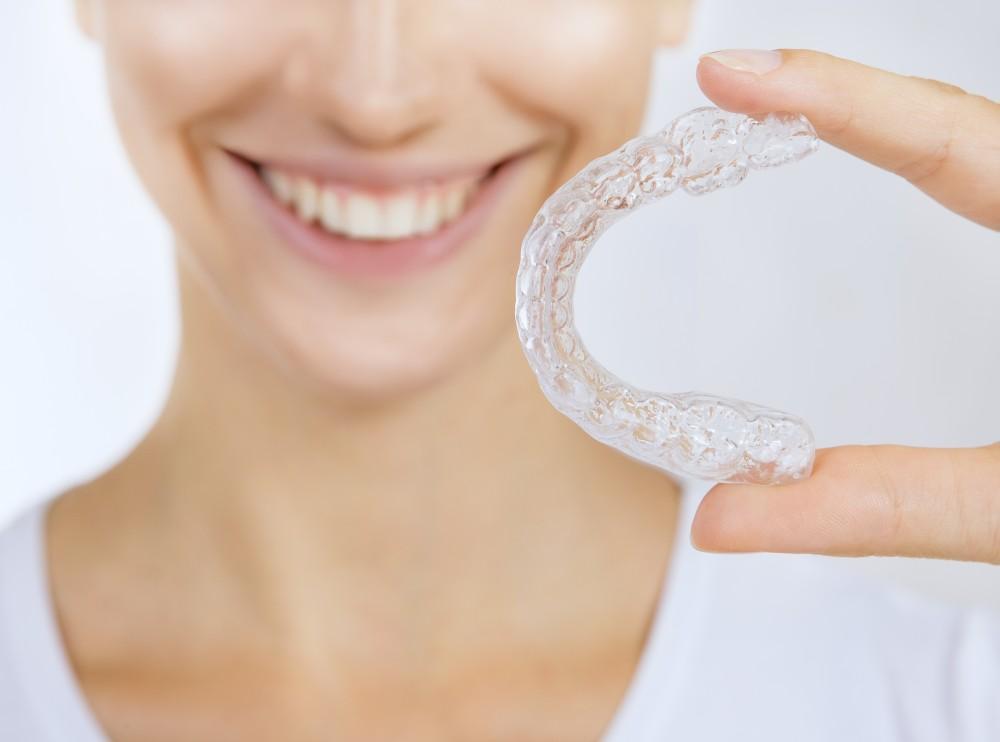
Tips for Taking Care of Your Invisalign Trays
How Dental Veneers Can Transform Your Smile