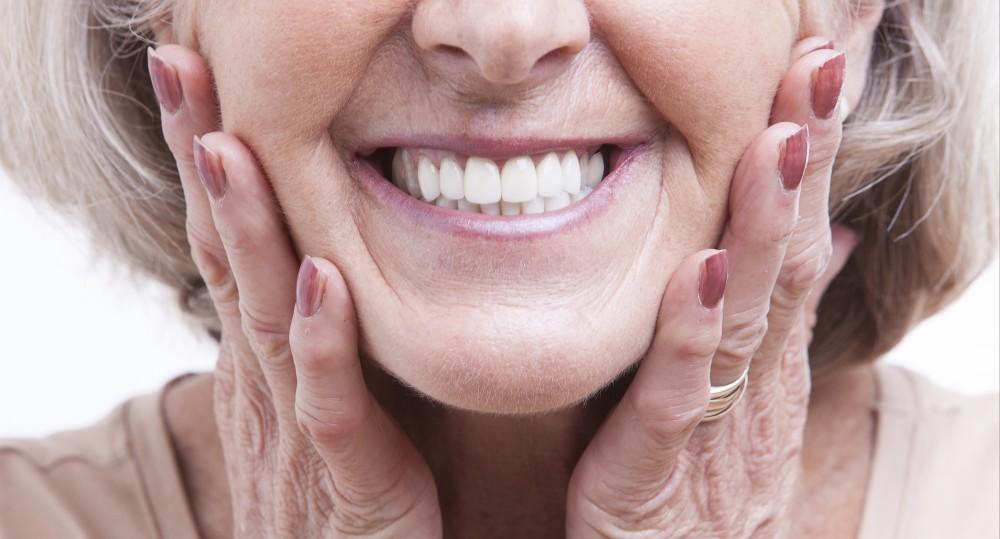

Your smile is one of the first things people notice about you, and when it’s backed by dazzling, white teeth, you’re sure to leave a great impression. And the road to those pearly whites is quick and easy, thanks to professional teeth whitening. For some, however, teeth sensitivity is an issue, and we cover that here.
At Arya Dental, Drs. Saeed Mokhayeri and Hengameh Safarcherati lead a team of dental and cosmetic experts that offers the services you need for healthy, great-looking teeth. We want to ensure that you get the most out of your dental work here, which is why we’ve pulled together the following tips for better managing teeth sensitivity after teeth whitening.
Zooming your way to white teeth
While there are many teeth-whitening products on the market, we’ve chosen Zoom®, which offers several advantages.
First, we can whiten and brighten your teeth by several shades (up to eight!) in just one visit, or you can choose a more gradual approach with our at-home whitening kits.
Second, Zoom® not only contains professional-grade bleaching agents, but also amorphous calcium phosphate (ACP), which protects your enamel, improves the luster of your teeth, and reduces sensitivity.
ACP and tooth sensitivity
Most teeth-whitening systems rely on bleaching agents, such as peroxide, to clear away stubborn stains and whiten your teeth. These agents are strong, and they can sometimes penetrate your protective enamel and irritate and inflame the nerves underneath. The result of this inflammation are teeth that may be more sensitive to things like temperature changes.
Studies have shown that ACP can replace enamel, fill in dentine tubules, and convert to tooth mineral to strengthen your teeth and offset sensitivity.
Revisiting fluoride
While our Zoom teeth-whitening system takes tooth sensitivity into consideration, there are a few steps you can take on your own to reduce any discomfort.
One great example is to add more fluoride to your daily regimen. After your teeth whitening here at our office, we perform a five-minute fluoride treatment to protect your teeth. When you return home, you can continue adding fluoride to your teeth, which you can find in toothpastes, mouthwashes, and even your tap water.
Spread out your whitening
As we mentioned, our Zoom whitening system is available in a take-home version, which isn’t as powerful as our in-office treatment, but equally as effective over the long term. If you know your teeth are sensitive, it may be a good idea to take this route, introducing the bleaching agents a little bit at a time.
Safeguard your teeth for a few days afterward
Many of our clients only experience tooth sensitivity for a day or two after the whitening process, which they easily manage through:
- Avoiding hot and cold drinks and foods
- Using desensitizing toothpastes
- Brushing with soft bristles and lukewarm water
If you follow these tips, you’ll have something to really smile about in no time as you show off your newly whitened teeth.
If you have more questions about tooth sensitivity and teeth whitening, contact our office in Fullerton, California.
How to Know if Invisalign Is Right for You

The Many Benefits of Bridges

Beyond a Pretty Smile: 9 Surprising Health Benefits of Good Oral Hygiene

Gum Disease and Everyday Factors That Influence Oral Health Awareness
Why Do Teeth Lose Their Whiteness?