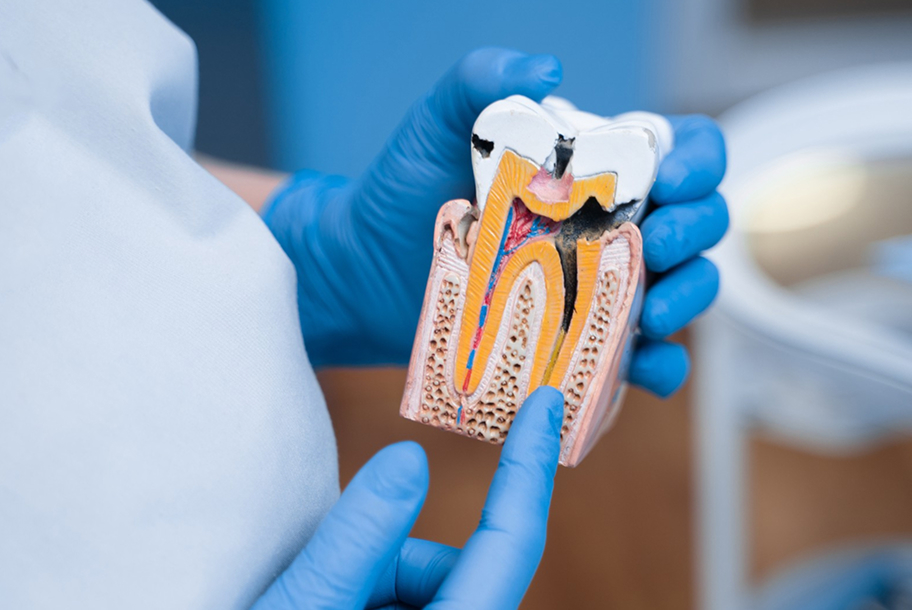
Gum disease is one of the most common oral health conditions, yet it often develops quietly without immediate discomfort. Many people are unaware of its presence until noticeable changes appear in their gums or teeth. Understanding gum disease is an important part of maintaining long term oral health awareness, as the condition affects not only the gums but also the structures that support the teeth. By learning how gum disease develops, what signs are commonly associated with it, and why awareness matters, individuals can better recognize changes in their oral health over time.
What Is Gum Disease
Gum disease refers to a group of conditions that affect the gums and the surrounding tissues that hold the teeth in place. It is often associated with inflammation of the gums and changes in their appearance or texture. While gum disease is commonly discussed as a single condition, it can exist in different forms and levels of severity. These variations are often described as stages that reflect how the condition may progress.
How Gum Disease Develops
Gum disease typically develops gradually. In its earliest phase, changes may be subtle and easy to overlook. Over time, ongoing irritation or inflammation of the gums can become more noticeable. The progression of gum disease is influenced by multiple factors, including oral environment, individual health characteristics, and biological responses.
The Role of Plaque and Bacteria
Plaque is a sticky film that forms on the teeth and along the gumline. It contains bacteria that interact with the tissues in the mouth. When plaque accumulates over time, it can contribute to irritation of the gums. This ongoing interaction between bacteria and gum tissue plays a significant role in how gum disease begins and progresses, even before obvious symptoms appear.
Common Causes of Gum Disease
The causes of gum disease are often linked to a combination of environmental, biological, and lifestyle factors. Rather than developing from a single source, gum disease usually emerges when multiple contributing elements are present. These factors can influence how the gums respond to irritation and how inflammation develops within the oral tissues.
Lifestyle and Oral Health Factors
Certain lifestyle patterns and daily habits are commonly associated with gum disease. These factors may affect the balance of bacteria in the mouth or the body’s response to inflammation. In addition, overall health conditions and natural changes related to aging can influence how the gums react over time. Understanding these associations helps explain why gum disease is widespread across different populations.
Early Signs and Symptoms of Gum Disease
Gum disease symptoms often appear gradually and may not cause immediate discomfort. Early signs can include changes in the color, texture, or sensitivity of the gums. Because these symptoms are sometimes mild, they may not be recognized as indicators of a developing condition. Awareness of these early changes plays an important role in understanding gum health.
Why Early Symptoms Are Often Overlooked
One reason early signs of gum disease are commonly overlooked is that they may not interfere with daily activities. Subtle gum changes can be mistaken for temporary irritation or normal variation. Without pain or obvious disruption, individuals may not realize that gum disease symptoms are present. This delayed recognition allows the condition to continue unnoticed.
Stages of Gum Disease
Gum disease is often described in stages to explain how it may progress over time. Each stage reflects differences in the appearance of the gums and the degree to which the supporting structures of the teeth are affected. These stages are not always clearly defined, but they help illustrate the gradual nature of the condition.
Gingivitis and Periodontal Disease
Gingivitis is commonly referenced as an early stage of gum disease and is associated with inflammation limited to the gums. Periodontal disease refers to more advanced forms where the tissues and bone that support the teeth may also be involved. These terms are often used to describe how gum disease can change in scope and impact as it progresses.
How Gum Disease Can Affect Overall Oral Health
Gum disease does not exist in isolation. The health of the gums is closely connected to the health of the teeth and other oral structures. When gum tissue is compromised, it can influence the stability and alignment of the teeth. Over time, these changes may alter the overall condition of the mouth.
Connection Between Gums and Teeth Stability
The gums play an essential role in supporting the teeth. Healthy gum tissue helps maintain the position and function of teeth within the jaw. When gum disease affects this supportive role, it can lead to noticeable changes in how teeth feel or appear. This connection highlights why gum health is a foundational aspect of oral health.
Who Is More Commonly Affected by Gum Disease
Gum disease can affect people of all ages, but certain groups experience it more frequently. Differences in genetics, immune response, and overall health can influence how the gums respond to bacterial presence. These factors help explain why gum disease is more prevalent in some individuals than others.
Age, Genetics, and Health Factors
As people age, natural changes in the body can affect gum tissue and bone structure. Genetics may also play a role in determining susceptibility to gum disease. Additionally, certain health conditions can influence inflammation and tissue response, contributing to variations in how gum disease develops across different populations.
Why Gum Disease Awareness Is Important
Awareness is a key component of managing long term oral health. Gum disease often progresses quietly, making education and understanding especially important. When individuals are informed about how gum disease develops and what changes to notice, they are better equipped to recognize shifts in their oral health status.
Common Myths and Misunderstandings About Gum Disease
There are many misconceptions surrounding gum disease. Some people believe it only affects older adults, while others assume it always causes pain in its early stages. These misunderstandings can prevent people from recognizing the condition early. Clarifying these myths supports a more accurate understanding of gum disease and its potential impact.
When Gum Changes Should Not Be Ignored
Not all gum changes are temporary. Persistent differences in color, texture, or appearance may indicate underlying issues within the gums. Recognizing when changes remain over time is an important part of oral health awareness, even when discomfort is minimal or absent.
Long Term Outlook of Gum Disease
The long term outlook of gum disease depends on how it develops and progresses within the oral environment. Over extended periods, gum disease can influence the structure and appearance of the gums and teeth. Understanding this long term perspective reinforces the importance of awareness and ongoing attention to gum health as part of overall oral well being.
Conclusion
Gum disease is a common condition that affects the gums and the structures supporting the teeth. Although it often begins quietly, its impact on oral health can be significant over time. By understanding what gum disease is, recognizing its early signs, and being aware of how it may progress, individuals can gain valuable insight into their oral health. Awareness and education remain central to understanding gum disease and its role in maintaining long term oral health.
FAQ’s
- What does gingival health mean in everyday language?
Gingival health generally refers to how the gums look, feel, and appear over time during normal oral care routines. - Is gum infection something people notice suddenly or gradually?
Gum infection is most often noticed gradually through small changes that become more familiar with regular observation. - How does oral health awareness develop over time?
Oral health awareness develops through consistent routines and paying attention to normal patterns in the mouth. - Are gum related changes the same for everyone?
Gum related changes can vary from person to person, which is why awareness is often discussed as a personal experience. - Why are gums discussed separately from teeth in oral health topics?
Gums are discussed separately because they support the teeth and play a distinct role in overall oral structure. - Can gum infection awareness change with age?
Yes, awareness may change as routines, habits, and personal attention to oral health evolve over different life stages. - How do people usually learn about gum infection?
Most people learn about gum infection through general education, personal observation, and everyday oral health discussions. - Is gum infection only discussed in professional settings?
No, gum infection is often discussed casually as part of everyday conversations about oral health and hygiene.
To schedule your whitening appointment or learn more about your options, visit the contact page and book your visit today.

Pregnancy and Your Dental Health: What Every Mother-to-Be Should Know

Implant versus Root Canal – Root Canal Alternatives

How to Choose the Best Dentist in Fullerton

Dental Care and COVID19: What You Should Know
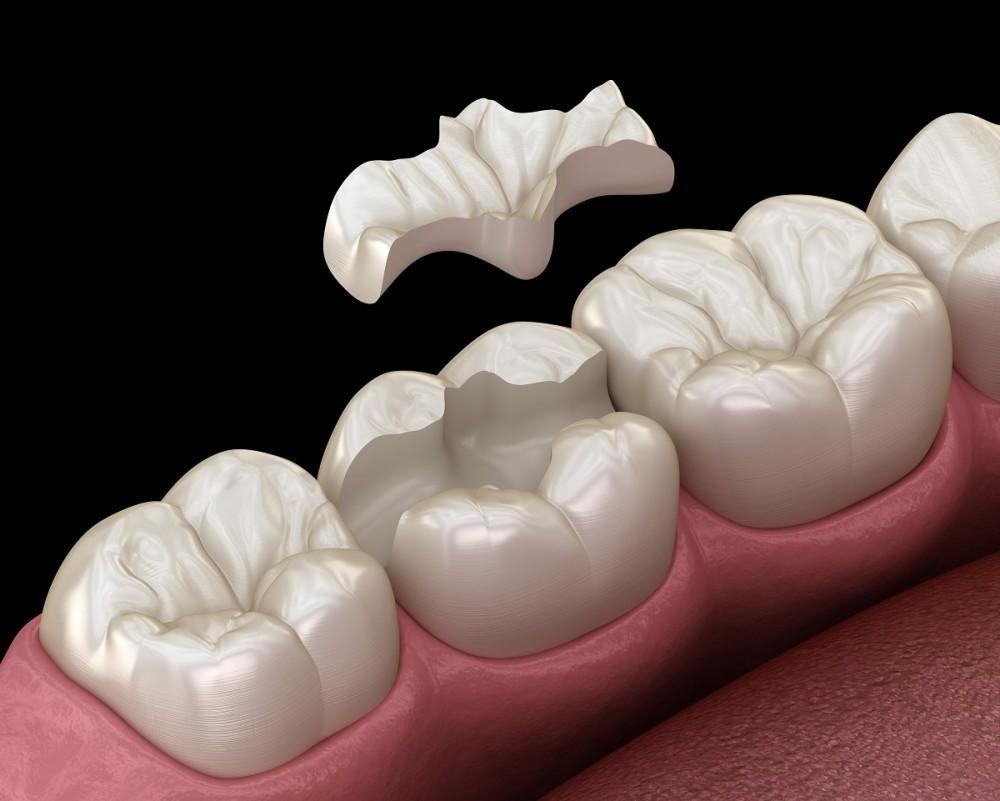
Inlays: A Great Defense Against Tooth Decay