

Even though tooth enamel is the hardest tissue in your body, beneath it – inside your teeth – is softer tissue, called pulp. When pulp is damaged or decayed, it threatens the health of your tooth from the inside. Without treatment, you could join the 178 million Americans who are missing one or more teeth.
Instead, Saeed Mokhayeri, DDS and Hengameh Safarcherati, DDS at Arya Dental in Fullerton, California, may suggest root canal therapy, a procedure that can preserve your natural tooth’s life.
Hidden infections
The most common reason for a root canal therapy is treating an infection that affects your tooth’s pulp, the soft tissue in the space at the core of your tooth called the root canal. The pulp can become infected due to severe decay or damage.
Symptoms of tooth infection can include:
- Inflamed gums
- Toothache
- Sensitivity to extreme temperatures
- Changes in tooth color
Infection often causes pain as it affects the nerves and pulp tissue in the root canal. An injury to the face can also cause damage to this tissue.
Preserving your natural tooth
When the pulp inside your tooth is damaged, infected, or decaying, a root canal is typically the best treatment option. The process starts with X-rays of the affected tooth to evaluate the extent of the infection.
Local anesthetics administered around the tooth numb the nerves inside and around the infected tooth, blocking pain and helping you to stay comfortable during the procedure. Once the anesthetic takes effect, the remainder of the process, which takes about an hour, is typically painless.
We open the root canal via a hole drilled in the tooth’s crown, through which specialized tools clean out damaged tissue, pus, and infection by-products. The canal is cleaned, filled, and sealed.
Depending on the tooth’s condition, we may recommend a dental crown to help preserve the strength of the tooth if it has been significantly weakened.
If you were suffering pain because of the infection that required root canal therapy, you might be surprised to find you feel significantly less pain after your procedure. However, your tooth and the area surrounding it may feel sore or tender for a day or two. Some learn that they feel less tooth pain immediately after their root canal procedure than they did beforehand. It’s common for the tooth to be sensitive for a few days after treatment, but any side effects will fade in just a couple of days.
At the first sign of a tooth infection, make an appointment with Arya Dental by calling our office at 714-646-9546 or requesting an appointment online.

How Dental Bonding Can Repair Your Damaged Teeth

Straight Teeth Are Healthy Teeth: Why Alignment Matters

Gum Disease and Everyday Factors That Influence Oral Health Awareness

5 Ways to Lower Your Risk of Gum Disease
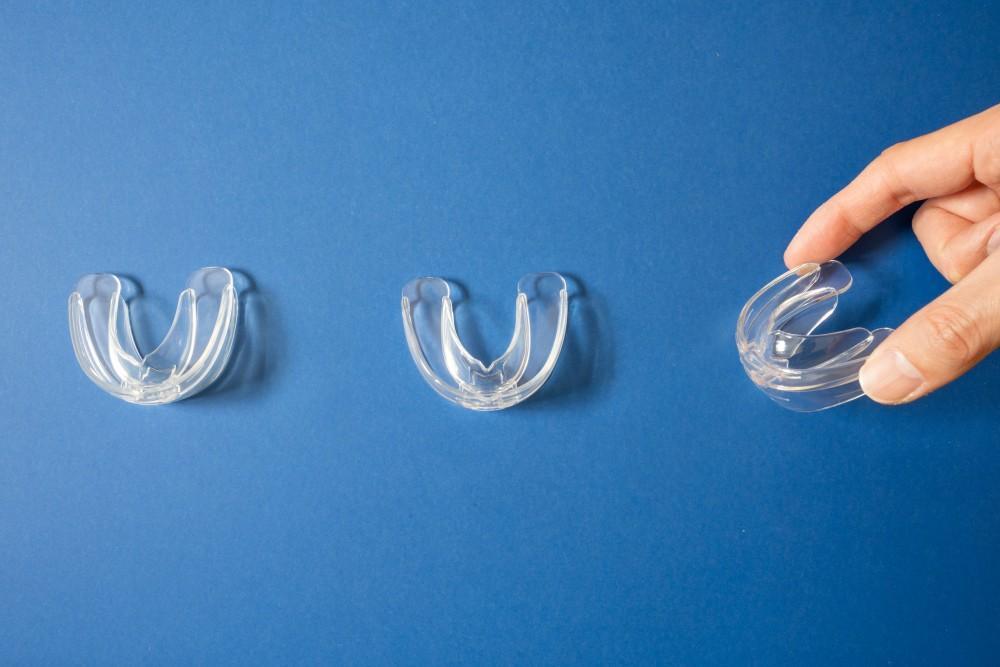
When to Consider a Night Guard